

betalice | The Intricacies of Jueteng and the Role of Betalice
The Intricacies of Jueteng and the Role of Betalice
Jueteng is a deeply entrenched numbers game that has become a part of the cultural and economic fabric in certain regions of the Philippines. Despite its illegal status, it thrives due to its simple mechanics and the aura of secrecy surrounding it. The phenomenon is not only a gambling activity but has also evolved into a significant social issue with myriad implications.
What is Jueteng?
Jueteng is a number game typically involving the selection of two numbers between one and thirty-seven. This lottery-style format is believed to have been introduced during the Spanish colonialism era. It is thought to have been derived from the Spanish word "juego" or "jugar," which translates to "game" or "to play." Despite its roots, jueteng has lost none of its appeal over the centuries.
The game's widespread occurrence is often attributed to the economic conditions of those who participate. Poverty and a lack of economic opportunities are seen as the driving forces behind its persistence. Participants, many of whom are from low-income backgrounds, view the game as a possible way to earn quick money.
The Mechanics of Jueteng
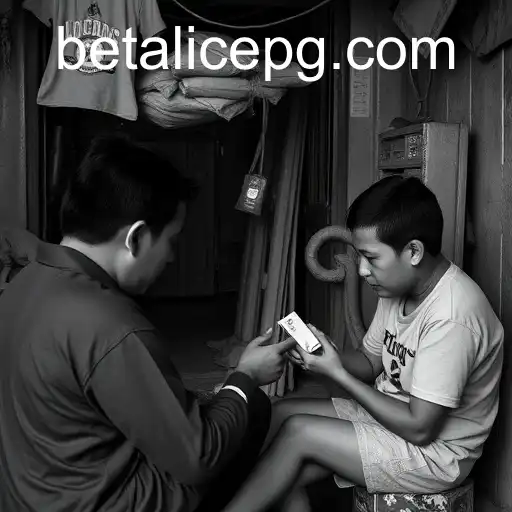
The game is simple and involves minimal effort. It requires an individual, known as a "kubrador," to collect bets from participants and issue them tickets with their chosen numbers. Winners are determined by a draw typically conducted twice daily. The prizes are alluring enough to keep the players coming back, thus creating a cycle that sustains the game’s existence.
This unregulated game has spawned an underground economy that is estimated to be worth millions of pesos annually. The collections, although relatively small per individual, accumulate to large sums that can significantly influence local economies.
The Secrecy and Organization
Jueteng's reach and resilience are due to its clandestine nature and the organizational structure that facilitates it. From the kubrador who collects the bets to the operators or "cabos" who manage the distribution of winnings, each participant plays a pivotal role in its network. This organizational structure shields many from legal repercussions but makes detection and disruption difficult for law enforcement agencies.
The Role of Betalice in Jueteng
In recent years, the advent of technology has further complicated the dynamics of jueteng. This is where "Betalice" comes into play. Though not directly named as a jueteng faciliator, the term often emerges in discussions about contemporary gambling trends linked to digital platforms.
Betalice seems to symbolize the technological evolution of traditional gambling practices like jueteng. The implication is that new platforms use technology to facilitate easier participation and to evade detection, leveraging mobility and anonymity that physical collections lack.
The shift to digital has raised issues of accountability and control. Whereas traditional jueteng relied on physical interactions, the online version creates new challenges for law enforcement and regulators alike. Tracking digital transactions adds layers of complexity that are often more sophisticated than tracking cash exchanges.
Challenges and Responses
The rise of technology in gambling through entities potentially like Betalice highlights a significant challenge in controlling jueteng. Authorities must find ways to address the technological gap that such operations exploit. However, as long as economic conditions remain unchanged for many, the allure of jueteng or its digital iterations will likely persist.
Law enforcement agencies face the challenge of modernizing their approaches to detect and dismantle such operations. Collaborations with international cybercrime experts might become necessary, given the borderless nature of the internet games.
Jueteng's Socio-Economic Impact
The socioeconomic impact of jueteng extends beyond its immediate economic allure. It fosters a culture where gambling becomes normalized and partly glorified. This normalization can detract from addressing the root causes of the economic conditions that drive people to gamble.
Despite the efforts to combat it, jueteng has found ways to adapt and thrive. Its resurgence after numerous crackdowns suggests that solutions addressing root economic causes will likely be more effective than solely punitive measures.
Programs that provide sustainable livelihoods and educate people about the risks of gambling are crucial parts of a holistic strategy to battle jueteng. Furthermore, the community's involvement in judicial and legislative reforms would strengthen efforts to eradicate this gambling culture.
The Path Forward
The persistence and evolution of jueteng underscore the need for a multi-faceted approach that combines legislative action, economic reform, and education. Addressing the underlying socio-economic issues would go a long way in reducing the dependency on such games.
Engaging communities in dialogue about economic alternatives, promoting transparency, and strengthening law enforcement are steps in the right direction. While significant challenges remain, these efforts hold the potential to transform the cultural landscape and reduce reliance on illegal gambling.
Jueteng, in whatever form it takes, remains a testament to the complexities of economic survival and cultural resilience, a reflection of centuries-old traditions colliding with modern realities.


Google Sitemap